 Plática In Mexico, a plática is a chat.
Mexican Spanish, as it’s actually spoken.
An iPhone app for real situations with real people: meeting the neighbours, the market, the landlady, a Sunday with the family, a long sobremesa with friends. Natural, current and warm, not the textbook version.
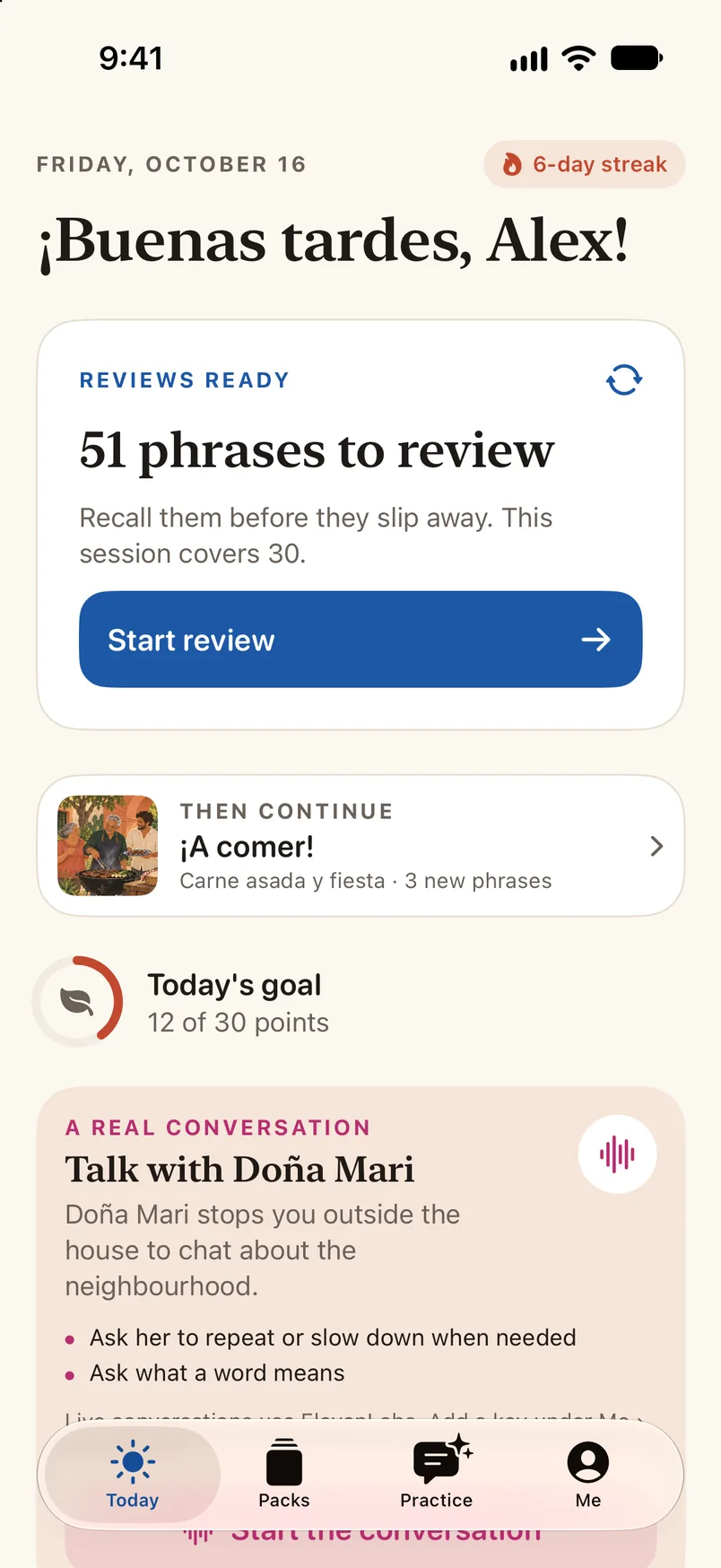
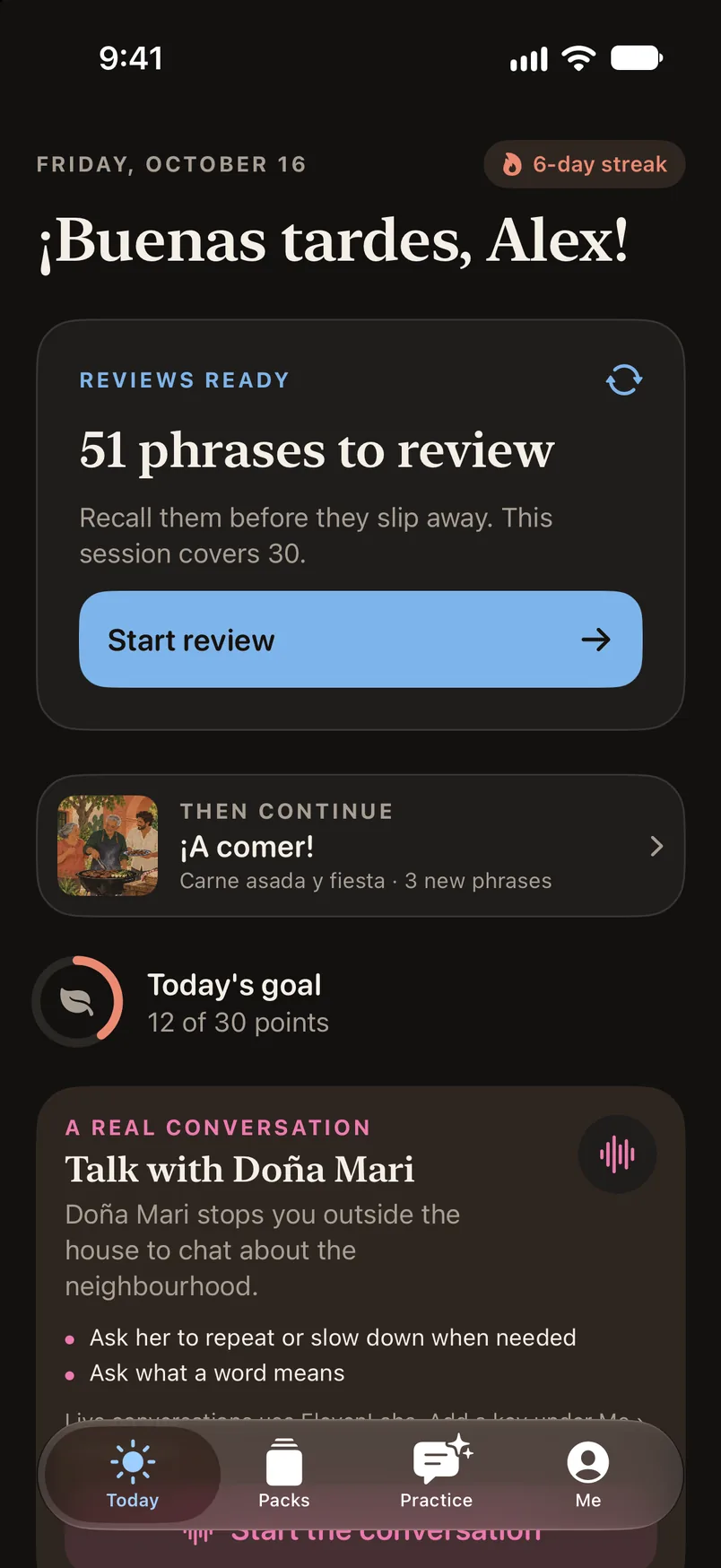
Thirty-six situations, three phrases at a time.
The packs run in order through six stages, from a first hello to keeping up with a table full of people, all set in and around Guadalajara. Each pack is a real situation. Its units teach six to nine useful phrases, with a dialogue among the people in the pack, culture notes, a listening passage and a voice role-play at the end.
Beginners start with Me presento. Already know some Spanish? Five checks with a tutor or conversation partner, taking listening and speaking separately, show where to start. Each stage ends in a checkpoint: a conversation you hold, not a quiz.
-
Stage 1: First conversations A1
Checkpoint: Introduce yourself, check a time or a price, and ask for something.
-

Me presento
Meet a neighbour and swap names, where you’re from and where you live.
-

Números, fechas y horarios
Catch and check an appointment’s date, time, address and cost.
-

Lo que necesito
Ask for something, and for an alternative when it isn’t there.
-

Un día normal
Describe a typical day and ask about someone else’s.
-

¿Dónde está?
Ask the way and check how to get there.
-

Una compra sencilla
Buy a snack or a drink, and sort out a simple mix-up.
-
-
Stage 2: Everyday participation A2
Checkpoint: A routine purchase and a five-minute chat, asking for clarification along the way.
-

Mexican Spanish Survival Kit
Keep a short exchange going, and recover when a phrase is new to you.
-

Reunión familiar
Join in a family visit and ask follow-up questions.
-

Un cafecito con los suegros
Catch up with an older relative and arrange the next visit.
-

El mercado y el súper
Finish the shopping list when something’s out of stock.
-

Moverme por la ciudad
Arrange a ride, and adapt when the pickup or the route changes.
-

Citas, llamadas y mensajes
Book an appointment, confirm it and move it.
-
-
Stage 3: Settling into Mexico A2
Checkpoint: A day on your own: an errand, a voice message, a problem with a service and an invitation.
-

Con los primos y amigos
Join an outing with friends and help make the plans.
-

Videollamada con la familia
Share news, and keep a call going when part of it is unclear.
-

Carne asada y fiesta
Take part in a gathering with lots of people talking.
-

Buscar dónde vivir
Ask the essential questions at a viewing and say what you prefer.
-
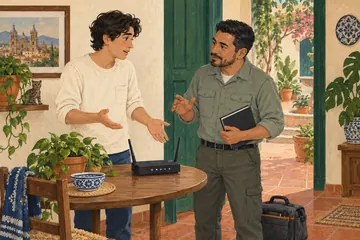
La casa y los servicios
Report a problem at home and arrange the repair visit.
-

Salud y pedir ayuda
Explain a basic health concern and confirm what happens next.
-
-
Stage 4: Independent conversation B1
Checkpoint: A 10–15 minute conversation with a story from your past, an opinion and a question you didn’t prepare for.
-

Te cuento lo que pasó
Tell a three-minute story and answer questions about it.
-
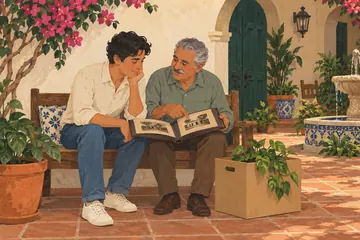
Antes y ahora
Explain what’s changed in your life, and why.
-

Hacer amigos
Build a conversation around a shared interest and arrange to meet again.
-

Ponernos de acuerdo
Plan a weekend with people who want different things.
-

Trabajo y colaboración
Explain a task, clear up a misunderstanding and agree who does what.
-

Cuando algo sale mal
Explain a problem clearly and get a practical fix.
-
-
Stage 5: Handling complexity B1
Checkpoint: An unfamiliar problem over several exchanges, then an accurate summary of what was agreed.
-
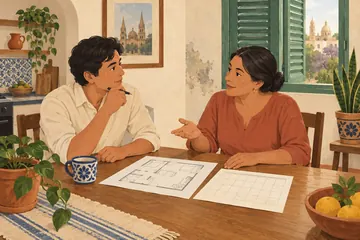
Acuerdos con el arrendador
Talk through a disagreement with a landlady and settle the next steps.
-

Trámites y atención al público
Find out what a process needs, and handle an incomplete application.
-

Explicar bien mi salud
Give a clear health history and say back what you understood.
-

Resolver un problema por teléfono
Fix a service problem by phone, with no script and no screen to point at.
-

Opiniones y noticias
Discuss a local issue and respond to a different view.
-

Relaciones y conversaciones difíciles
Raise a concern and reach an understanding without straining the relationship.
-
-
Stage 6: Comfortable everyday fluency B2
Checkpoint: Two sessions a week apart: a 20–30 minute conversation and a practical problem, then a phone call and a group discussion with three other people.
-

Una sobremesa con varios
Hold your own in a conversation with three other people.
-

Un fin de semana fuera
Get through a trip with people from beyond Guadalajara.
-

Negociar una solución
Reach a workable compromise after the first offer is turned down.
-

Historias, humor y matices
Tell a good story and catch the tone and what’s left unsaid.
-

Un día de imprevistos
Coordinate several people when a day goes wrong in unexpected ways.
-

Mi vida en México
Bring it all together in five new situations.
-
How a lesson works.
Short sessions that pick up where you left off, reviews that come back right before you’d forget, speaking out loud from the first phrase, and then the situation itself, for real.
-
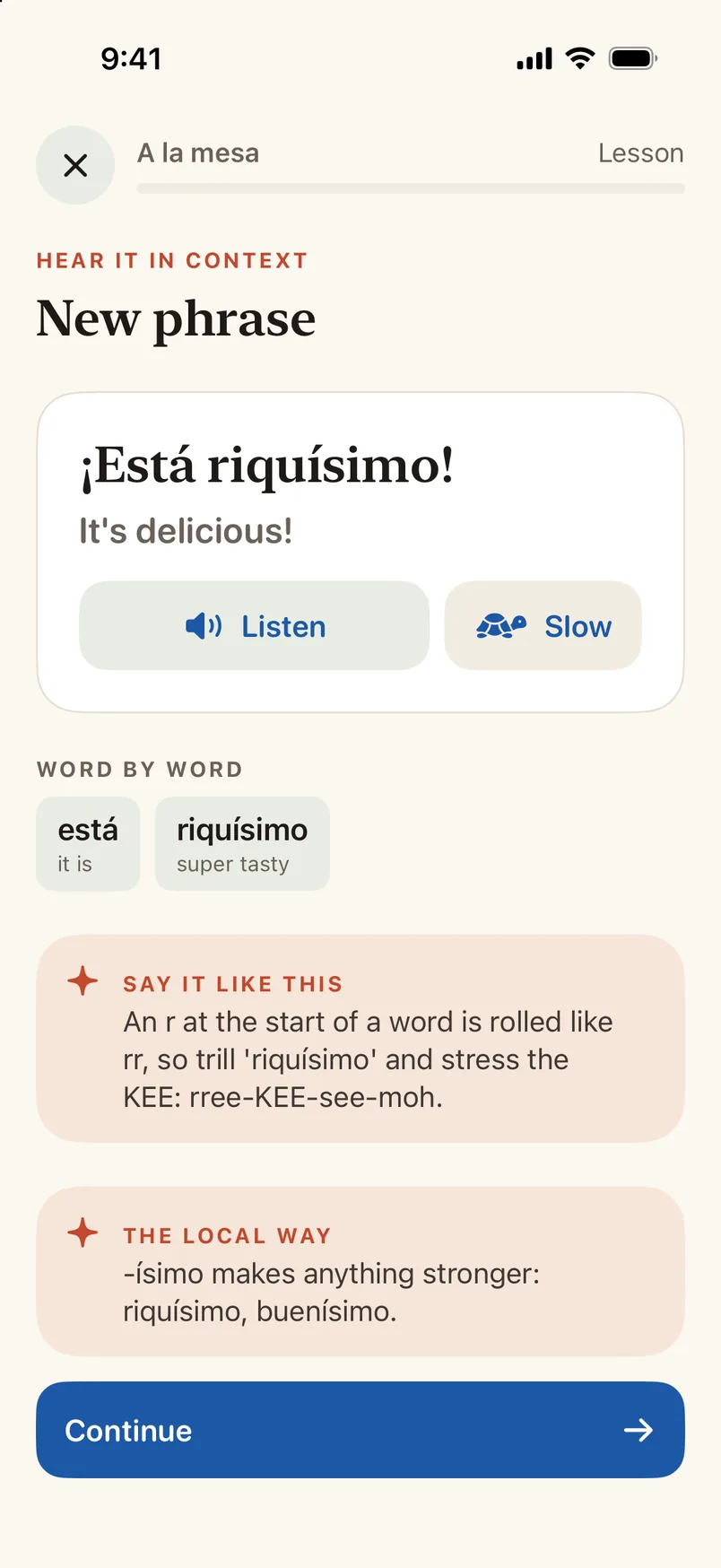
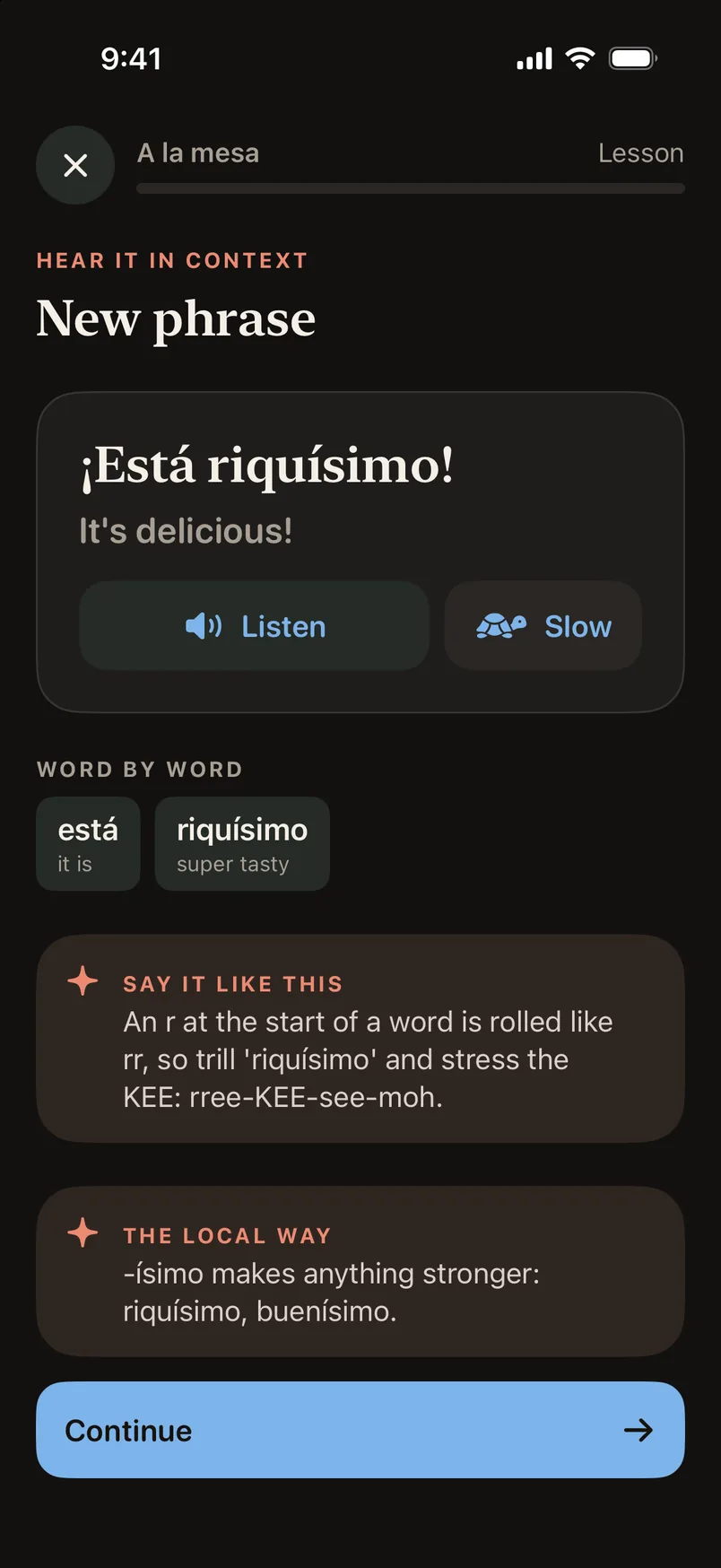
Three phrases at a time
Each phrase is introduced, recognized, then said out loud or typed. With “Try before you’re shown”, you’re asked for it first. Beginners get the translation and any new words up front. Progress is saved phrase by phrase, so a closed lesson picks up where it left off.
-
Then the dialogue
Once a unit’s phrases are covered, you listen to the people in the pack talk, answer questions about what they said with no English shown, and choose your own lines. Then comes a listening passage, which by B1 and B2 grows into a longer conversation among several people.
From Un cafecito con los suegros: coffee and pan dulce at the in-laws’ kitchen table. -
Doña Carmen
Ay, mijo, ¡qué gusto que vinieron! Siéntate, ahorita te sirvo un cafecito.
Oh, dear, so glad you came! Sit down, I’ll pour you a coffee right now.
-
You
Gracias, suegra. ¿Cómo se han sentido?
Thank you. How have you both been feeling?
usted · respectful -
Doña Carmen
Pues yo bien, pero Ramón anduvo malo de la rodilla.
Well, I’m fine, but Ramón had trouble with his knee.
-
You
¿Cómo sigue de la rodilla, suegro? ¿Ya fue al doctor?
How’s your knee doing? Have you been to the doctor?
usted · respectful
-
Doña Carmen
-
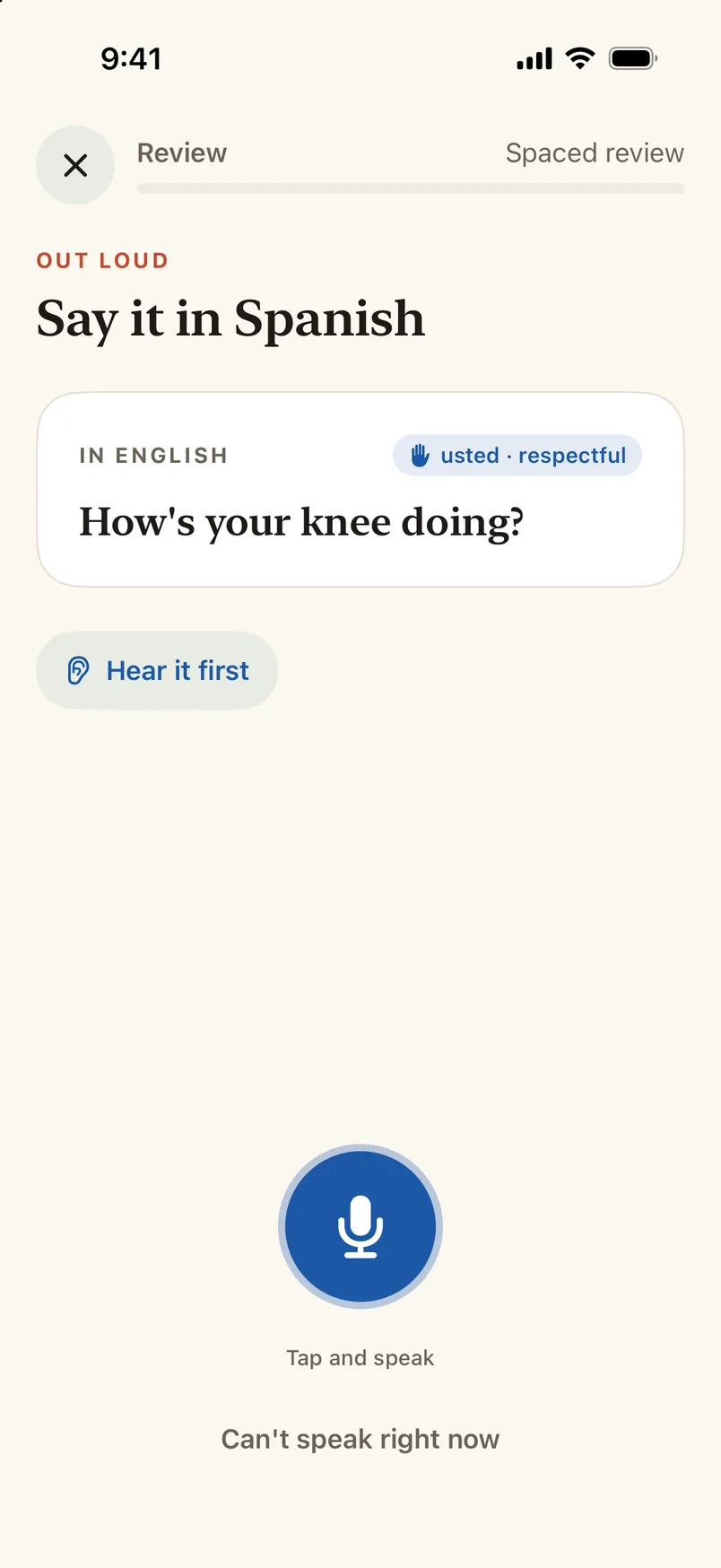
Reviews you never grade
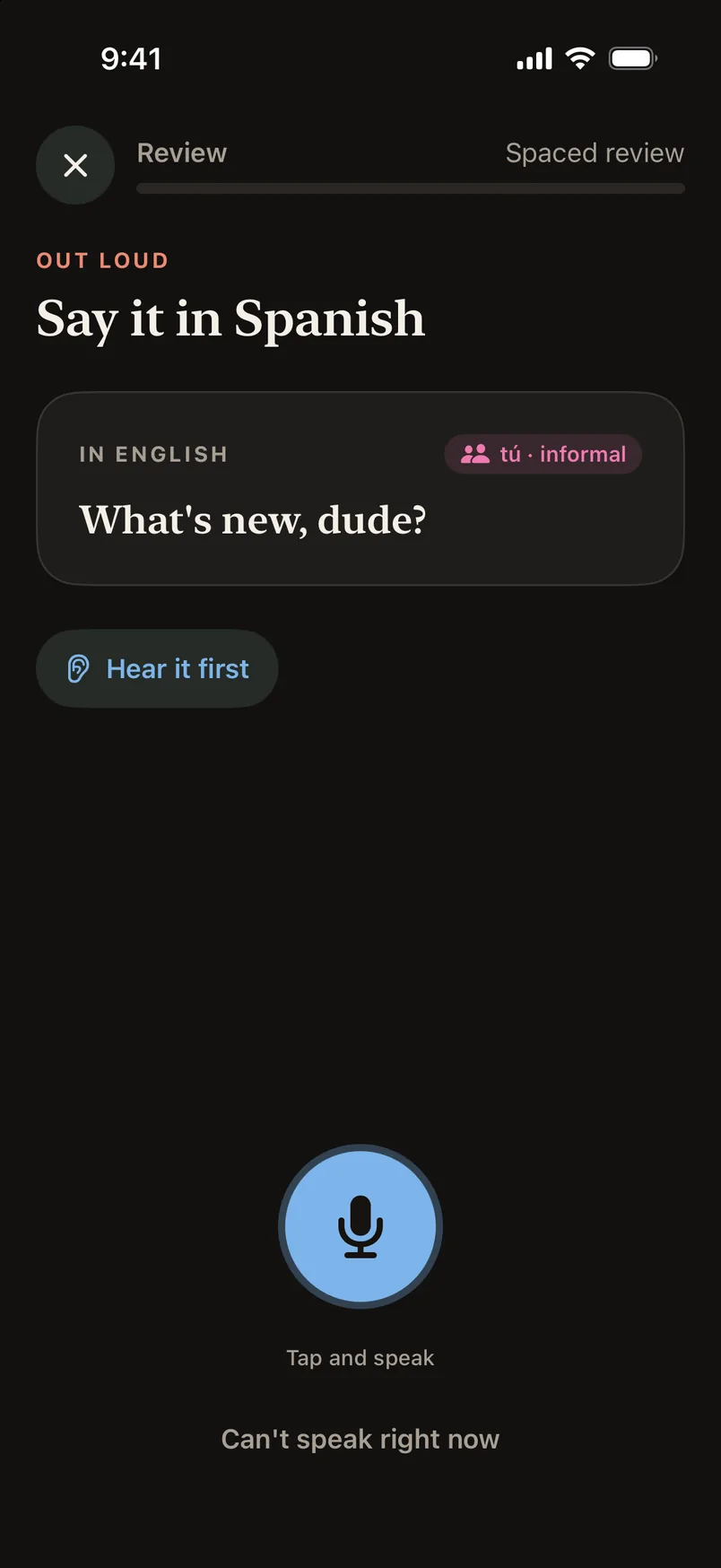
FSRS-6 spaced repetition schedules every review, and every review asks you to produce the phrase: said, typed or written from dictation. Your rating is inferred from the answer, never “easy”, and any help caps it at “hard”.
-
Then have the conversation
Each unit ends in a live voice role-play, with an AI playing a suegra, a landlady or a seven-year-old with a question about dinosaurs. Practise with phrase hints, try a new situation, or check yourself with no hints at all. Afterwards you get a summary, what went well, corrections, and phrases to add to your lessons. Talk to the same person a few days later and the scene has a twist.
A role-play from Videollamada con la familia: Santi takes over the family video call to show you things. ¡Tío! ¡Hola! ¿Sabes cuál es el dinosaurio más grande?
Uncle! Hi! Do you know which dinosaur is the biggest?
Your goals
- Ask what he’s doing or drawing
- Ask about school or his age
- Say goodbye with a hug
Next time: he lost a tooth today, and keeps pushing his face up to the camera to show you the gap.
-
Then do it for real
Each pack ends with a mission: the same situation, out in the world. Away from Mexico, a tutor or a language-exchange partner plays the other side, choosing the prices, the details and a complication you don’t know about. Afterwards you go over it together on five points, from getting it done to recovering when you missed something, and Plática suggests earlier packs for anything that slipped. About a week later, you try a new version with a different partner.
It shows what you can do; it isn’t a certificate.
The mission from El mercado y el súper. Your practical mission
At a market stall or the supermarket in Guadalajara, when the staff have a moment, ask about a product and its price, buy a sensible amount, and check one detail you didn’t catch the first time.
Practice from anywhere
Your partner plays Doña Rosa at her stall or Diego at the supermarket, and picks the prices and stock in secret. The milk you need is out, and one price at the checkout doesn’t match.
Review the conversation together
- Task completion
- Listening and response
- Intelligibility
- Interaction and repair
- Range and control
Details
Works without a key
Lessons, reviews, missions and all 36 packs work without an API key, with the Spanish voices on your iPhone and on-device speech recognition. With an ElevenLabs key you get voices with word-by-word highlighting, a voice you choose for each person in a pack, speech recognition that shows the words it heard, and the live role-plays.
Reviews fitted to you
After 400 reviews, the scheduler’s weights are fitted to your own history, monthly. Set the recall you’re aiming for, and an upcoming visit: reviews aim higher in the month before it.
Written for how people talk
Regionalisms where they’re common, never caricature, and both registers: say it to a suegra with usted, then to a cousin with tú.
In beta for iPhone.
Plática is in beta on TestFlight: install TestFlight on your iPhone, then open the invite link. All 36 packs are written. Next, Mexican Spanish speakers and language teachers review them, the longer listening passages get recordings of real speakers, and learners at each level try the pathway. Join the beta to be one of those learners, or get in touch to talk about it.